1. Call and describe
The caller explains what happened, where the vehicle is and what it was exposed to. This shapes the plan and the gear.
Central Park, WA · Grays Harbor County
Dried blood on a seat or vomit in the back of a van in Central Park? Call (877) 812-4220. Crews clean, disinfect and remove stained upholstery, then leave the interior safe to sit in again.
If anyone is in danger, call 911 first. For a suicide crisis, call or text 988.
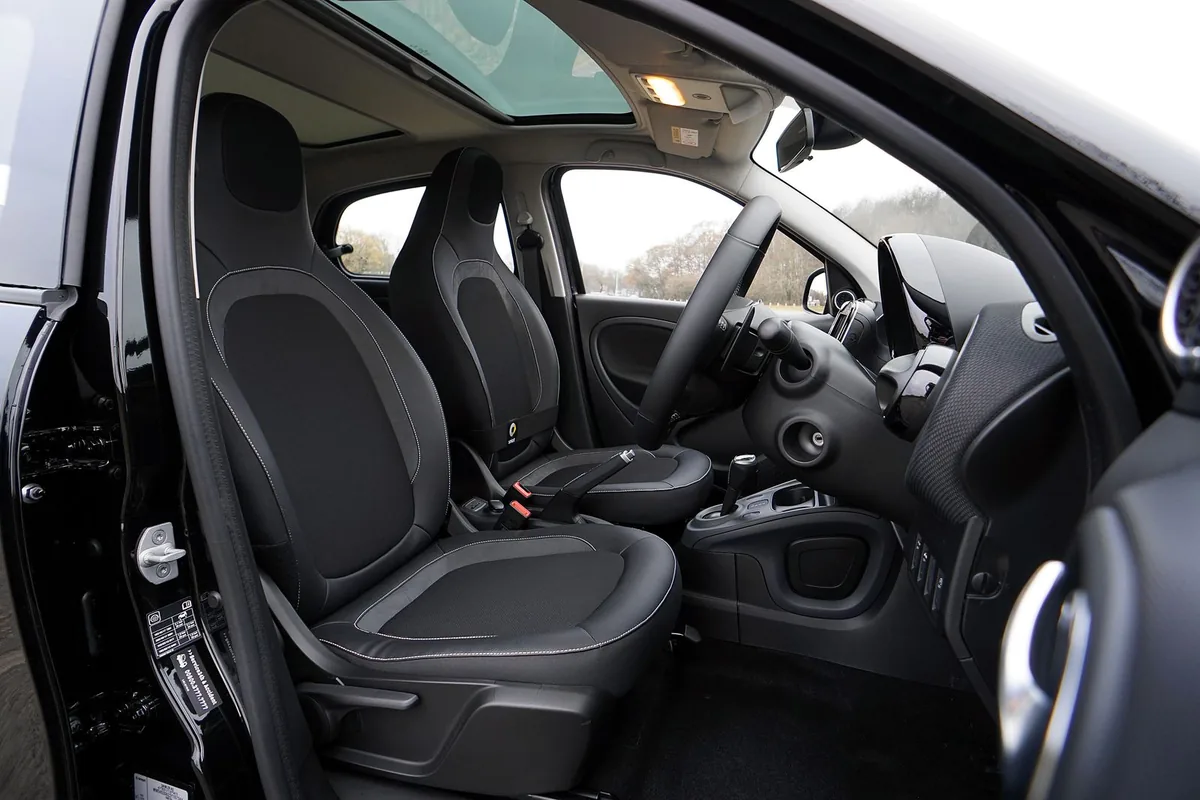
Biohazard car cleaning is the process of removing contaminated materials from a vehicle, then disinfecting the cabin with EPA-registered products. It is different from a wash or ordinary interior detailing.
If your vehicle is contaminated in Central Park, treat it as a possible exposure risk and call Central Park Biohazard Cleanup Help. Crews contain the cabin, protect the people nearby and check each affected area before handing the keys back to you.
With about 85 inches of rain a year in Central Park, damp air and leaks can feed mold in a contaminated vehicle that was left sitting. Anyone hurt in a vehicle incident should be seen at Grays Harbor Community Hospital in Aberdeen or by a doctor before anyone thinks about the cabin.
The work often covers:
The caller explains what happened, where the vehicle is and what it was exposed to. This shapes the plan and the gear.
Blood and fluids are traced across seats, floors and panels, including seat tracks, seams and beneath the mats.
Contaminated materials come out first. The cabin is cleaned and disinfected, and odor is treated at its source.
Lingering smells are treated, the waste is hauled away, and a last inspection confirms the vehicle is ready.
Vehicle biohazard cleanup in Central Park, WA typically costs $500 to $5,000, depending on the size of the affected area and the materials involved.
Odor treatment is added when the smell has settled into fabric, foam or the ventilation system, because it takes extra products and time.
| Type of job | Typical range |
|---|---|
| Vehicle biohazard cleanup | $500 - $5,000 |
These ranges come from published cost guides (BioCleaners Directory) and are not a quote for Central Park. Price drivers include type of interior materials, how serious the event was, time since the event, air system decontamination. For a real number, call (877) 812-4220.
Yes. A regular detail cleans dirt and stains with household products. Biohazard car detailing starts with decontamination, then moves to restoring the finish. Skipping the first step leaves germs and odor behind.
A salvage vehicle is one an insurer has declared a total loss. Some are also tagged for contamination when blood or fluids were involved. Labels and rules vary, so ask the insurer or the state title office what applies to a specific vehicle.
Many auto insurance policies cover some losses that are not collisions, and some policies exclude cleanup. Only your policy and your insurer can say. Call before cleanup starts, take photos and keep every receipt.
Yes, in most cases. Hard surfaces and many seats can be cleaned and disinfected. Foam, carpet and padding that soaked through are usually removed, because blood and odor stay in them.
Call 911 first if anyone is hurt. Keep people and pets away from the vehicle, do not drive it, and do not wipe or spray the fluids. Take photos for insurance and note what the contamination touched.
A small spill on a hard surface can be cleaned with gloves, eye protection and an EPA-registered disinfectant. Do not do it with an open cut, and do not use the car until fluids that soaked into fabric are removed. For larger spills, call a cleanup team.
Calls are answered 24/7, and the job is planned on the call.
Call (877) 812-4220